


Techman Animal Anesthesia System
 Customize
Want more possibilities ?

Save
$200
Code: RWD200
Ends in 2 Days 23:12:45
Perfect Match With
In stock items usually ship within 2 business days
Custom / backordered items lead time vary. Contact us for a quote along with your exact delivery window.
In stock items usually ship within 2 business days
Custom / backordered items lead time vary. Contact us for a quote along with your exact delivery window.
In stock items usually ship within 2 business days
Custom / backordered items lead time vary. Contact us for a quote along with your exact delivery window.

Shipping & lead times
In stock items usually ship within 2 business days
Custom / backordered items lead time vary. Contact us for a quote along with your exact delivery window.

90-day return policy
Eligible items may be returned within 90 days after delivery, subject to our Return Policy.

Notice
Final delivery schedules and pricing are subject to confirmation in your official quotation. Customs policies may also impact the total cost. Contact us for your best quote.
overview
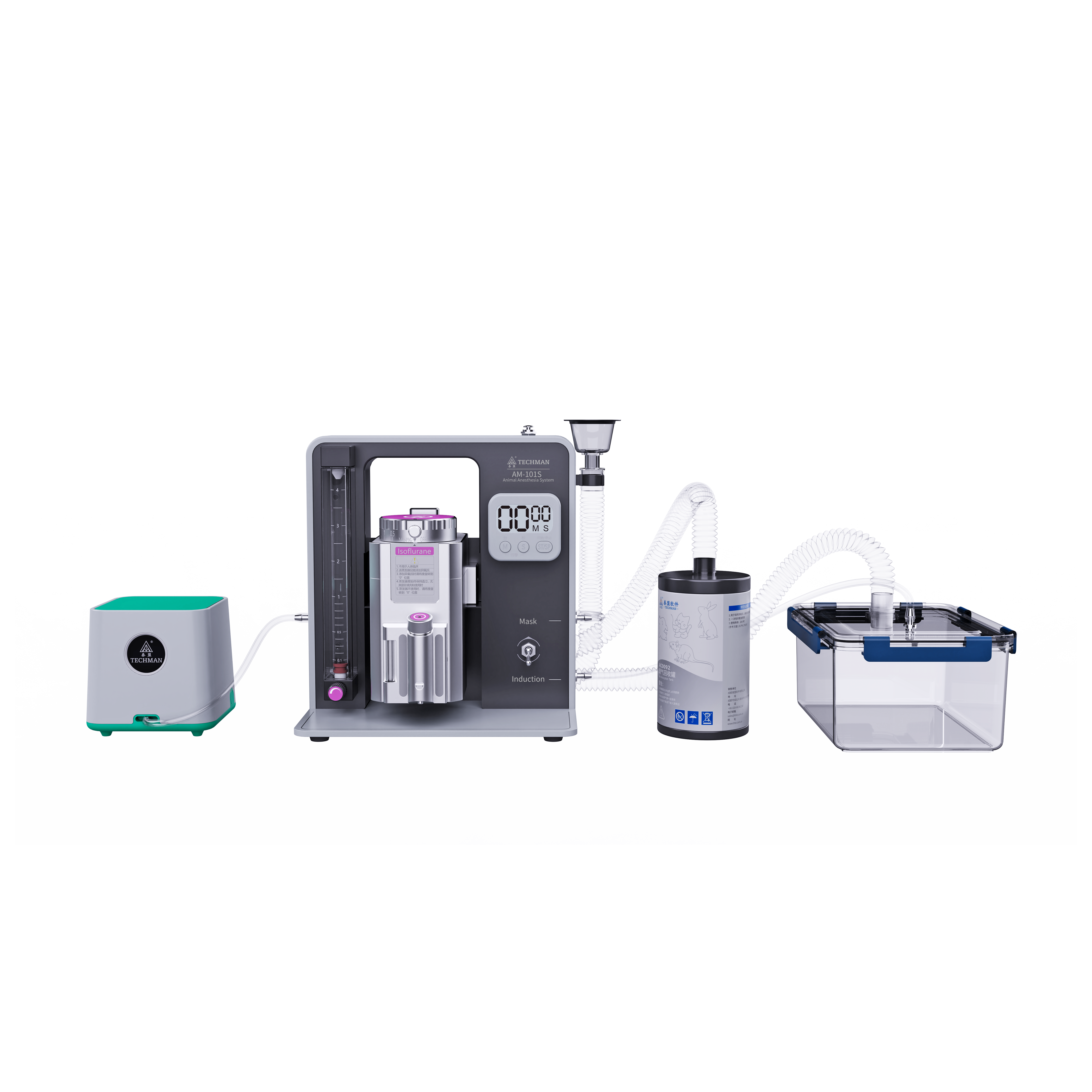
Features & Benefits
Laser-calibrated vaporizer
Ensures stable and accurate concentration output.
Silent air pump
Provides continuous and stable high-flow carrier gas.
Gas absorption canister
Absorbs waste anesthetic gases automatically.
Highlights
One stop solution
Full setup including vaporizer, air pump, chamber and absorption canister.
Applications

Small animal anesthesia.
Specifications
| Parameter | Description |
|---|---|
| Applicable Animals | Small animals up to 7 kg, including mice, rats, and rabbits |
| Vaporizer Concentration Range | 0–5% |
| Waste Gas Scavenging | Small absorption canister, factory weight ≥320 g, absorption capacity ≥50 g |
| Gas Source | Air or Oxygen |
| Flow Rate Range | 0.1–4 L/min |
| Rapid Oxygen Supply | Induction chamber: 8 L/min; Mask port: 0.3–3 L/min |
| Induction Chamber (Mice/Rats) | 3.6 L, suitable for mice and rats |
Order Information
| Product Name | Model | Product Description | Remark |
|---|---|---|---|
| Animal Behavior Analysis System | BAS-100.1Y | 1 year validation | Free demo available. |
| BAS-100.LT | Lifetime validation |
Certificate
Resources
Welcome to the User Manual! This manual is your go-to resource for understanding and utilizing our product efficiently. It offers comprehensive instructions, troubleshooting tips, and FAQs to help you navigate through its features seamlessly.
Frequently Asked Questions
-
What animals is this anesthesia system suitable for?
The AM-101S is designed for small laboratory animals up to 7 kg, including mice, rats, and rabbits, making it suitable for a wide range of preclinical research and laboratory anesthesia applications. -
What anesthetic concentration range does the system support?
-
What gas source is required to operate the system?
-
What flow rate range does the system support?
-
How does the system handle waste anesthetic gases?
